










EBOOK IN LINGUA STRANIERA





Sentencing Discretion and the Constitution

54,69 €
+550
punti 
Prezzo minimo ultimi 30 giorni: 53,55 €
Venditore: Feltrinelli

Acquista online
Scaricabile subito
Articolo acquistabile con Carta del Docente

Articolo acquistabile con Carta Cultura Giovani e Carta del Merito

Articolo acquistabile con Carta della Cultura

Dati e Statistiche
 Salvato in 0 liste dei desideri
Salvato in 0 liste dei desideri
Sentencing Discretion and the Constitution
Scaricabile subito
54,69 €
54,69 €
Scaricabile subito
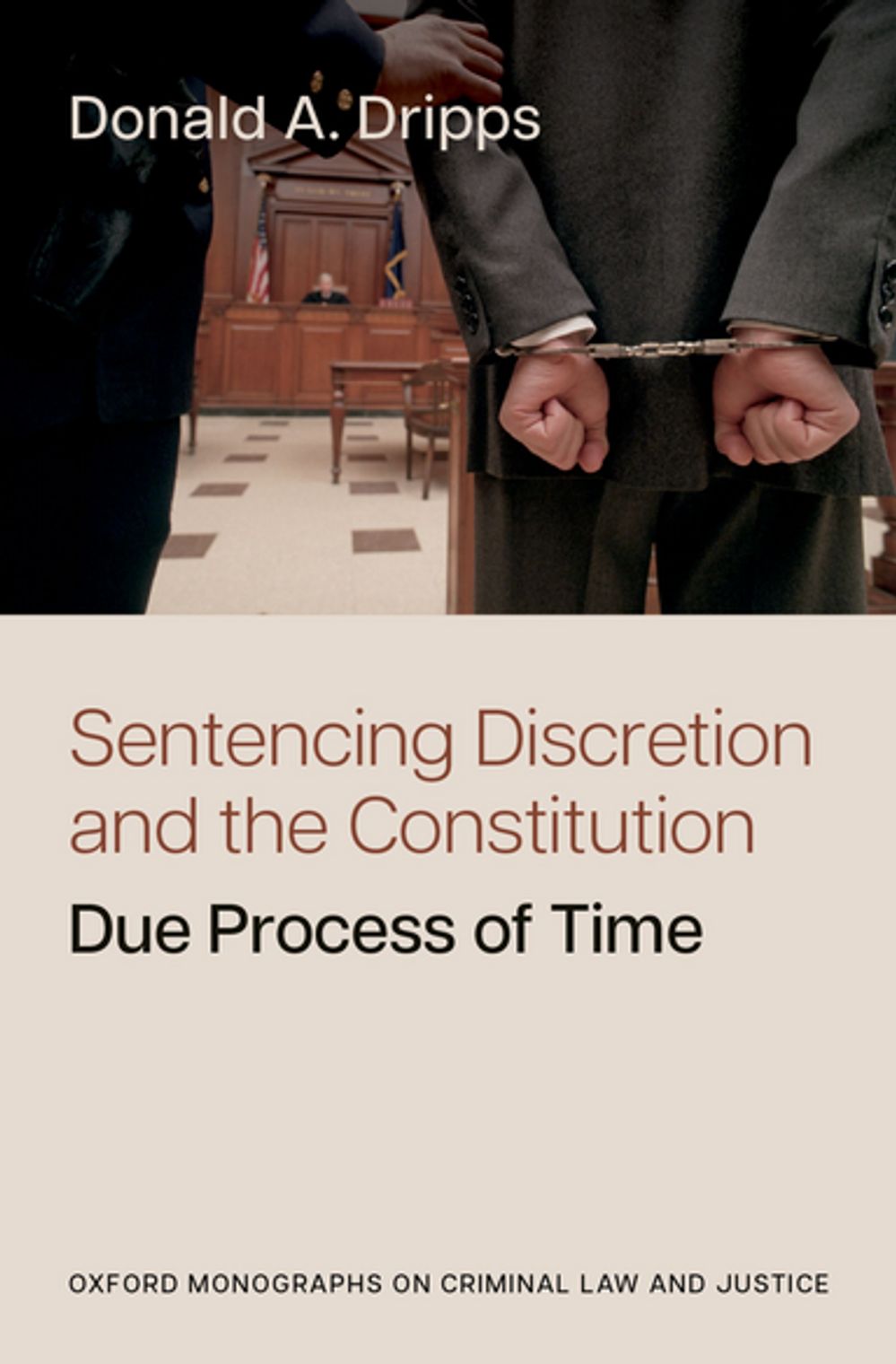


The U.S. Supreme Court maintains that prosecutorial discretion to charge different offenses authorized by the penal code is practically limited only by the penal code itself. Because typical offense conduct violates multiple statutes carrying different maximum – and minimum – sentences, by choosing the charge, the prosecution commonly also chooses the sentence. The Court, however, holds that when judges exercise sentencing discretion, due process requires impeccable neutrality and adversary hearings. Sentencing Discretion and the Constitution: Due Process of Time addresses the fundamental incompatibility of the U.S. Supreme Court's approach to the sentencing power of judges as compared to prosecutors. The Court says that when prosecutors induce a guilty plea by filing lesser charges than the code allows, the defendant is getting a break rather than being strong-armed. This doctrinal fiction persists because neither dissenting justices nor academic critics have yet justified a baseline by which the infliction of years – or even decades – in prison for refusing to plead guilty or to provide information, should be treated as a coercive threat rather than an offer permitted in the "give and take" of plea bargaining. In theory, the charges filed should be proportional to culpability, not the most severe the code permits. This raises another hard problem: theorists have not to date advanced a persuasive account of proportionate punishment. Unlike prior works, Sentencing Discretion and the Constitution exposes the connections between these problems and proposes a unified solution. The right against excessive punishment, like the right against erroneous conviction, is best understood as a right to procedural justice. More broadly, curtailing prosecutorial sentencing is an essential step toward curtailing mass incarceration – a problem that otherwise is more likely to get worse than better. This book will be of interest to readers concerned with plea bargaining, sentencing, constitutional law, legal history, and criminal law theory.
-
Autore:
-
Anno edizione:2026
-
Editore:
-
Formato:
-
Lingua:Inglese
Compatibilità:
Tutti i dispositivi (eccetto Kindle) Scopri di più
Layout:
Reflowable
EAN:
9780197830376

Formato:
Gli eBook venduti da Feltrinelli.it sono in formato ePub e possono essere protetti da Adobe DRM. In caso di download di un file protetto da DRM si otterrà un file in formato .acs, (Adobe Content Server Message), che dovrà essere aperto tramite Adobe Digital Editions e autorizzato tramite un account Adobe, prima di poter essere letto su pc o trasferito su dispositivi compatibili.
Cloud:
Gli eBook venduti da Feltrinelli.it sono sincronizzati automaticamente su tutti i client di lettura Kobo successivamente all’acquisto. Grazie al Cloud Kobo i progressi di lettura, le note, le evidenziazioni vengono salvati e sincronizzati automaticamente su tutti i dispositivi e le APP di lettura Kobo utilizzati per la lettura.
Clicca qui per sapere come scaricare gli ebook utilizzando un pc con sistema operativo Windows
