









EBOOK IN LINGUA STRANIERA





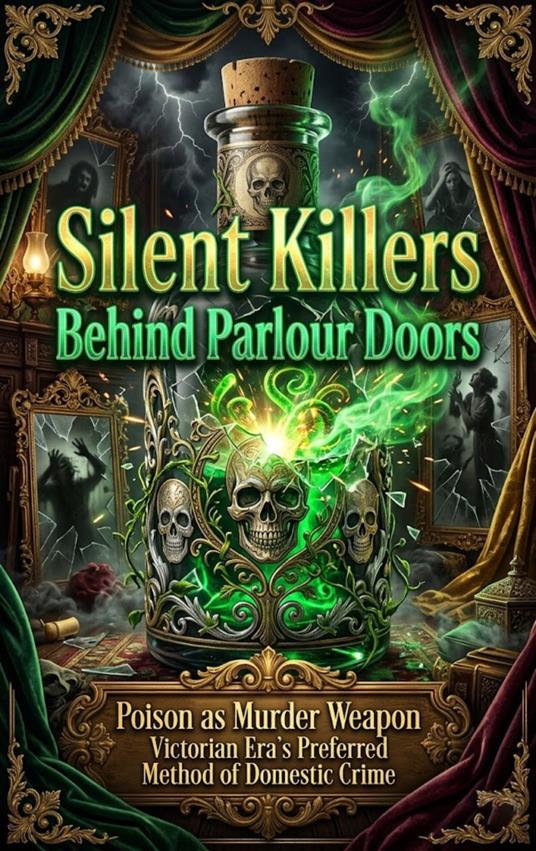
Silent Killers Behind Parlour Doors

9,99 €
+100
punti 
Venditore: Feltrinelli

Acquista online
Scaricabile subito
Articolo acquistabile con Carta del Docente

Articolo acquistabile con Carta Cultura Giovani e Carta del Merito

Articolo acquistabile con Carta della Cultura

Dati e Statistiche
 Salvato in 0 liste dei desideri
Salvato in 0 liste dei desideri
Silent Killers Behind Parlour Doors
Scaricabile subito
9,99 €
9,99 €
Scaricabile subito

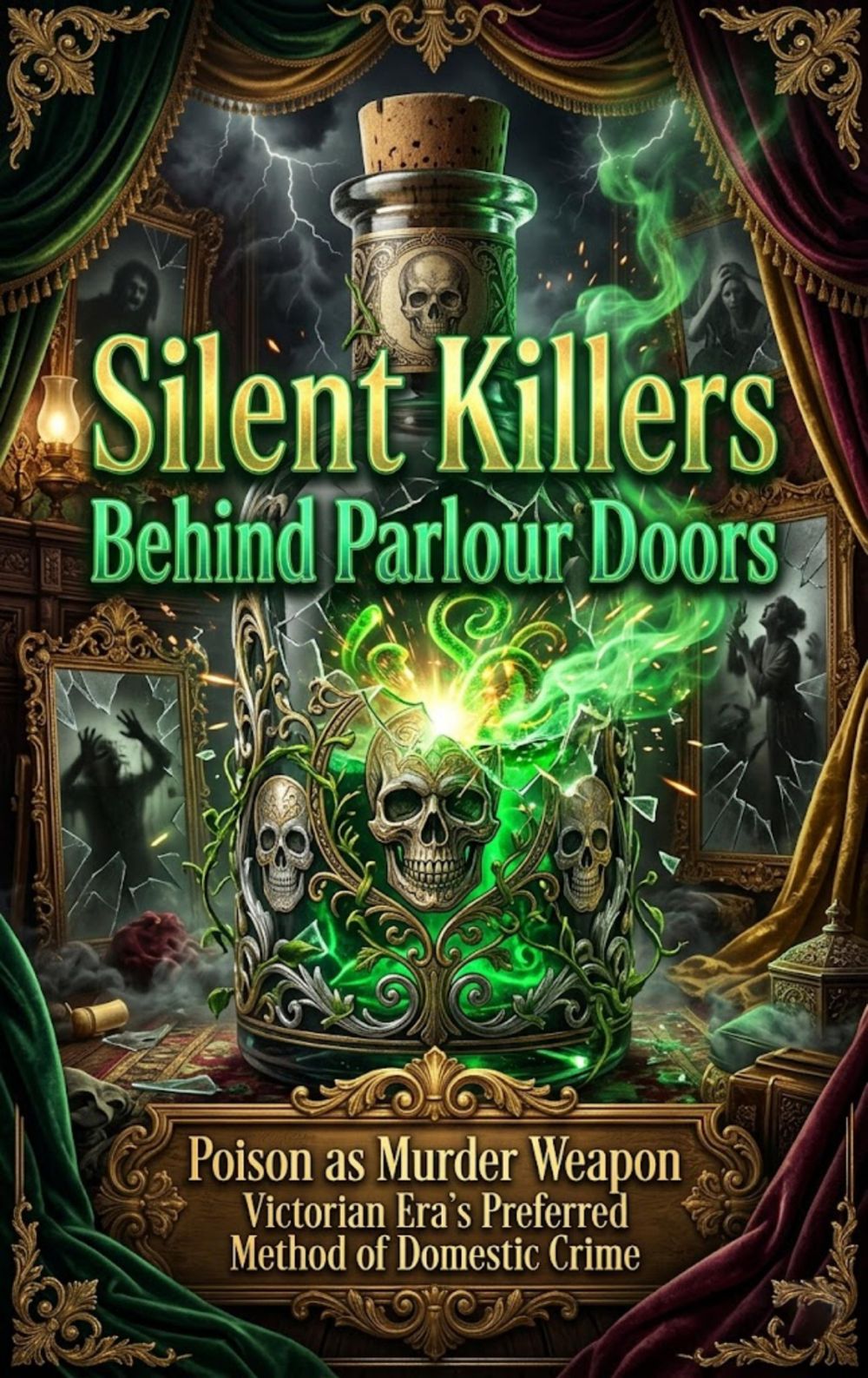


This book investigates how the quiet lethality of poison turned ordinary Victorian homes into stages of hidden violence, tracing the tension between the era's ideal of domestic sanctity and the reality that lethal substances could be administered across a tea-table or medicine bottle. The widespread availability of arsenic, cyanide, and strychnine—sold openly in grocers, chemists, and even as cosmetic aids—created a climate where acquiring a deadly agent required no special skill, yet detecting its use remained difficult for physicians and coroners. This accessibility fostered a paradox: poison was both a household staple for medicine and pest control and, when misused, a weapon that left few outward traces, allowing murderers to exploit the very trust that defined middle-class life. The book analyses three interconnected mechanisms that transformed poison from a rare tool into a preferred method of domestic crime. First, the legal and regulatory lag—Parliament's 1851 Arsenic Act focused on hindering murderers while ignoring accidental poisonings—revealed how legislative attempts to curb crime often missed the everyday realities of poison circulation, leaving loopholes that perpetrators could exploit. Second, the sensational press coverage of trials such as that of Madeleine Smith turned poisonings into public spectacles, simultaneously fueling a "poison panic" and providing a template for future offenders who saw notoriety as a possible outcome. Third, gender norms framed poisoning as a distinctly feminine crime, with courtroom discourse emphasizing women's supposed secrecy and connivance; this stereotype both shaped prosecutorial strategies and offered some women a perceived means of resistance against abusive marriages, even as it reinforced restrictive social expectations.
-
Autore:
-
Anno edizione:2026
-
Editore:
-
Formato:
-
Lingua:Inglese
Compatibilità:
Tutti i dispositivi (eccetto Kindle) Scopri di più
Layout:
Reflowable
EAN:
9783565455409

Formato:
Gli eBook venduti da Feltrinelli.it sono in formato ePub e possono essere protetti da Adobe DRM. In caso di download di un file protetto da DRM si otterrà un file in formato .acs, (Adobe Content Server Message), che dovrà essere aperto tramite Adobe Digital Editions e autorizzato tramite un account Adobe, prima di poter essere letto su pc o trasferito su dispositivi compatibili.
Cloud:
Gli eBook venduti da Feltrinelli.it sono sincronizzati automaticamente su tutti i client di lettura Kobo successivamente all’acquisto. Grazie al Cloud Kobo i progressi di lettura, le note, le evidenziazioni vengono salvati e sincronizzati automaticamente su tutti i dispositivi e le APP di lettura Kobo utilizzati per la lettura.
Clicca qui per sapere come scaricare gli ebook utilizzando un pc con sistema operativo Windows
